Why Is It Called an Oven and How Is It Used
You call it an oven because the word comes from Old English *ofen*, originally meaning a heated chamber used to cook food. It’s a term that’s stuck around for centuries, showing just how important this kitchen tool has been throughout history.
Ovens are everywhere, from home kitchens to professional bakeries, helping us turn raw ingredients into delicious meals.
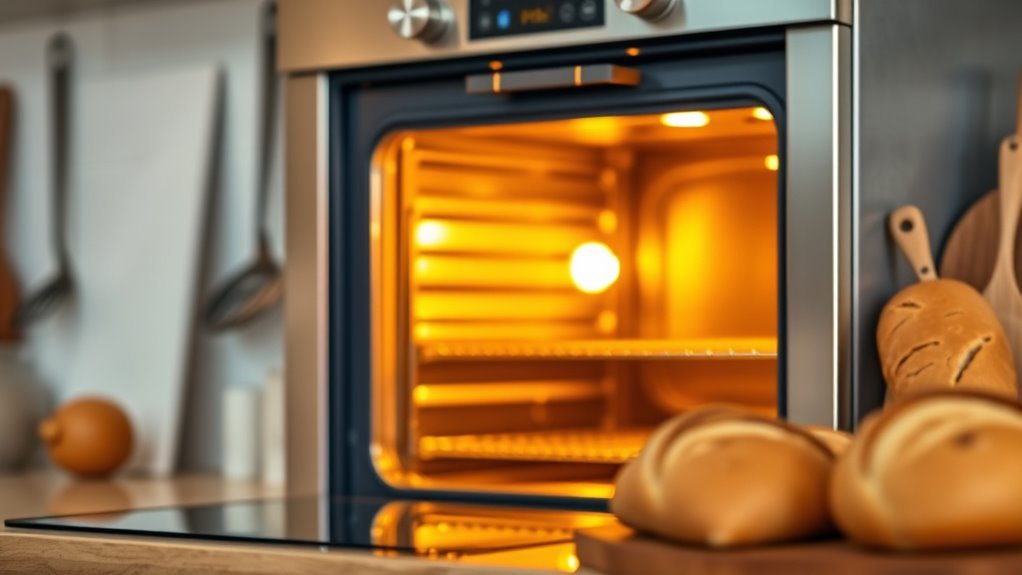
Using an oven means applying heat in a controlled way to bake, roast, or reheat food. Different types of ovens—like conventional, convection, or microwave—offer unique ways to cook by managing heat differently.
Knowing how each one works helps you pick the right oven and get the best results. So, understanding the origin and function of an oven not only connects you to its rich history but also makes cooking easier and more enjoyable.
Origin and Evolution of the Word Oven
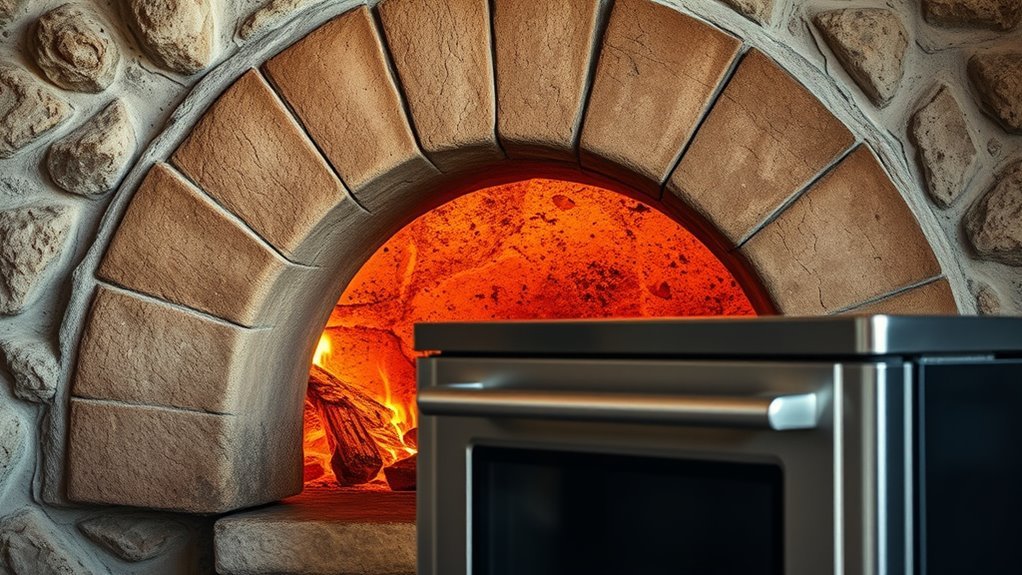
Although you might take the word “oven” for granted today, its origins trace back to the Old English term *ofen*, which itself comes from the Proto-Germanic *ubilaz*. This etymology reveals how early societies recognized ovens as essential thermal devices, primarily used for baking through controlled heat application.
Originally, ovens were simple brick structures built around a heat source like wood or charcoal. Over time, as culinary technology advanced, so did these ovens, evolving from basic enclosures to more sophisticated designs.
Despite changes, the core concept of an oven—as a space for applying heat to cook food—has remained consistent. Understanding this history helps you appreciate how the word “oven” connects directly to its function as a vital tool in cooking, reflecting centuries of human innovation in heat use.
Functions and Types of Ovens in Cooking

Understanding the origin of the word “oven” highlights its fundamental purpose: applying heat to cook food. When you use an oven, you rely on hot air or other heat sources to transform raw ingredients into delicious meals.
The word oven reflects its essential role: using heat to turn raw food into tasty dishes.
There are various types of ovens designed for specific cooking needs. A conventional oven heats food evenly, making it perfect for baking bread, roasting, and general cooking.
If you want faster, more uniform results, a convection oven uses fans to circulate hot air, speeding up cooking time. Microwave ovens, on the other hand, cook food using hot electromagnetic waves, ideal for reheating or defrosting.
Specialized ovens like steam or pizza ovens create unique environments to enhance flavors and textures. Understanding these functions helps you choose the right oven for your cooking goals.
Conclusion
Just like a blacksmith’s forge shapes raw metal into art, your oven transforms simple ingredients into warm, comforting meals. The word “oven” carries centuries of history, reminding you that every time you preheat or bake, you’re part of a timeless tradition.
So, next time you open that hot door, imagine the countless hands before you, turning heat into nourishment and magic. Your oven isn’t just a tool, it’s a gateway to creativity and comfort.
Using an oven means more than just cooking; it’s about connecting to a legacy of warmth and flavor. Whether you’re roasting, baking, or broiling, the oven helps you craft meals that bring people together. Embrace the magic of your oven—it’s where ingredients become memories and every dish tells a story.