Why Is It Called an Oven and How Is It Used
You call it an oven because the word comes from Old English and ancient times when enclosed spaces were built to trap heat for cooking. These early ovens were designed to hold heat inside, making them perfect for baking and roasting food evenly.
Understanding the origin of the word “oven” helps us appreciate how this kitchen essential has evolved over time.
You use an oven to bake, roast, or reheat food by applying controlled heat inside. Different ovens like conventional, convection, or microwave offer various cooking styles to suit your needs.
Knowing how to use these different types can really improve your kitchen skills and make cooking more enjoyable.
Origin and Evolution of the Word Oven
Although you might not realize it, the word “oven” has a rich history that dates back to Old English, originating from the term *ofen* and the Proto-Germanic *ubilaz*. This etymology reflects how early cultures developed enclosed heat sources for cooking.
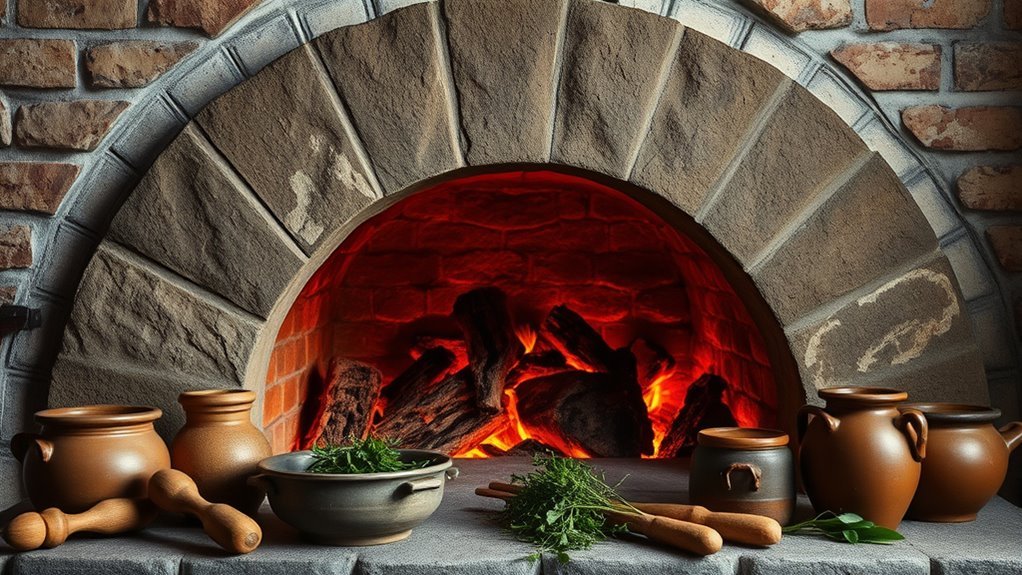
Ancient civilizations like the Egyptians and Romans relied on clay ovens for baking bread, marking a key milestone in culinary development. These ovens used natural materials and fire as a heat source, shaping early cooking techniques.
Over time, the concept evolved from simple clay ovens to sophisticated designs, culminating in the modern electric oven you use today. Understanding this origin helps you appreciate how the word “oven” embodies centuries of innovation in how humans prepare food.
Functions and Types of Ovens in Cooking

When you cook, choosing the right oven can make a big difference in how your food turns out. As a kitchen appliance, ovens come in various types, each designed for specific functions like baking, roasting, or reheating.
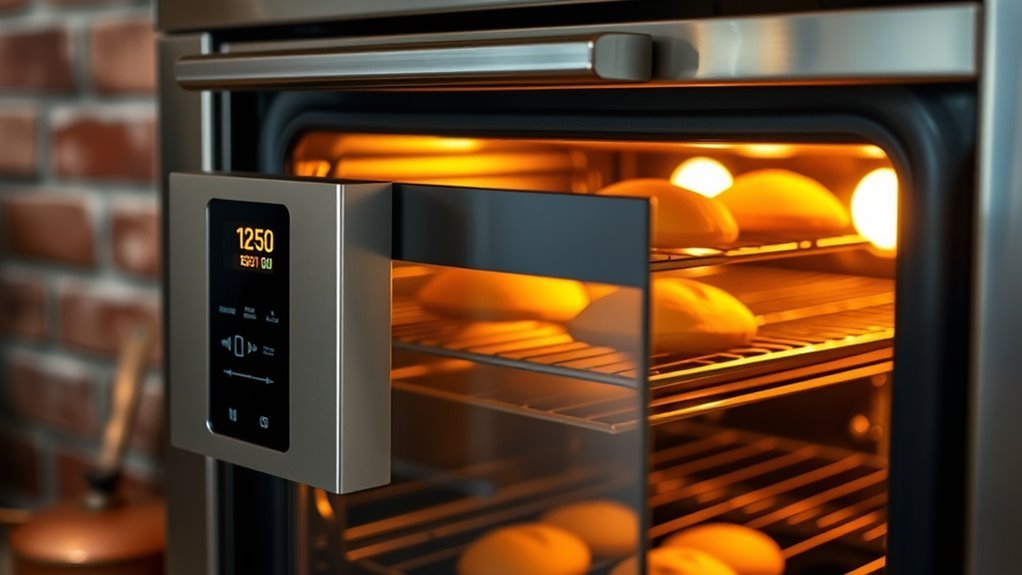
A conventional oven uses heat from top and bottom elements to guarantee even cooking. It’s ideal for baking cakes or roasting meats. On the other hand, a convection oven circulates hot air with fans, speeding up cooking and improving uniformity.
Understanding these differences helps you pick the best oven for your culinary needs. A conventional oven provides steady heat for traditional baking, while a convection oven offers faster, more even cooking with air circulation.
Microwave ovens are best for quick reheating. Toaster ovens handle small baking or toasting tasks. And then, there are specialized ovens like steam or wood-fired ones that add unique cooking methods.
Conclusion
Now that you know ovens have been around for thousands of years, it’s fascinating that over 80% of households worldwide use one daily to prepare meals. You rely on ovens not just to cook but to bring warmth and flavor into your kitchen.
Whether it’s baking, roasting, or broiling, the oven remains a key tool in your culinary adventures. It blends ancient tradition with modern convenience every time you turn it on.
In today’s kitchens, ovens are essential appliances that help you create delicious dishes with ease. From simple meals to gourmet recipes, the oven’s versatility enhances your cooking experience. So, next time you use your oven, remember it’s more than just a cooking device—it’s a bridge connecting history and modern cooking techniques.