10 Steps to Reheat Food Perfectly in the Oven
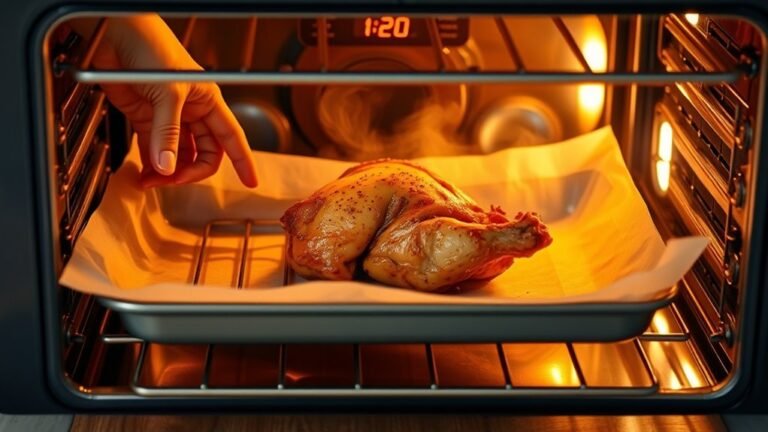
To reheat food perfectly in the oven, start by preheating it to 350°F. Make sure to pick an oven-safe dish for your food.
Covering the food with foil helps keep the moisture locked in, which is key if you want it to stay juicy.
If your dish seems a bit dry, adding a splash of liquid can make a big difference. Spread the food out evenly in the dish so it heats consistently throughout.
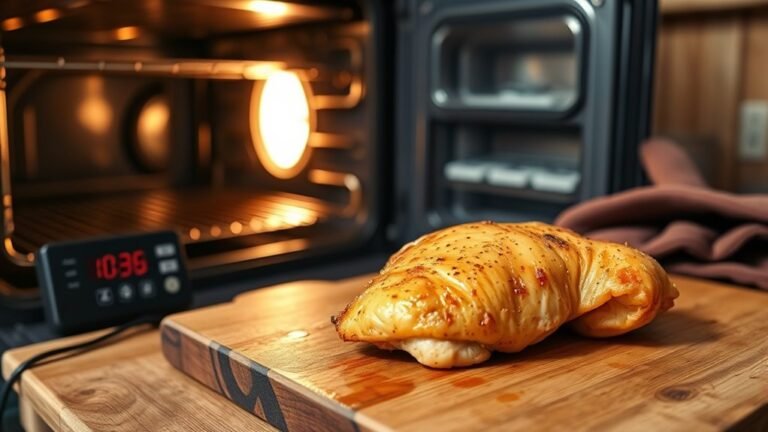
Using a food thermometer is a smart move—it ensures your food reaches a safe internal temperature of 165°F.
When you’re nearing the end of reheating, take off the foil to let textures get nice and crispy.
Finally, give your food a few minutes to rest before serving. These simple steps will help you master flawless reheating every time!
Preheat Your Oven to the Right Temperature
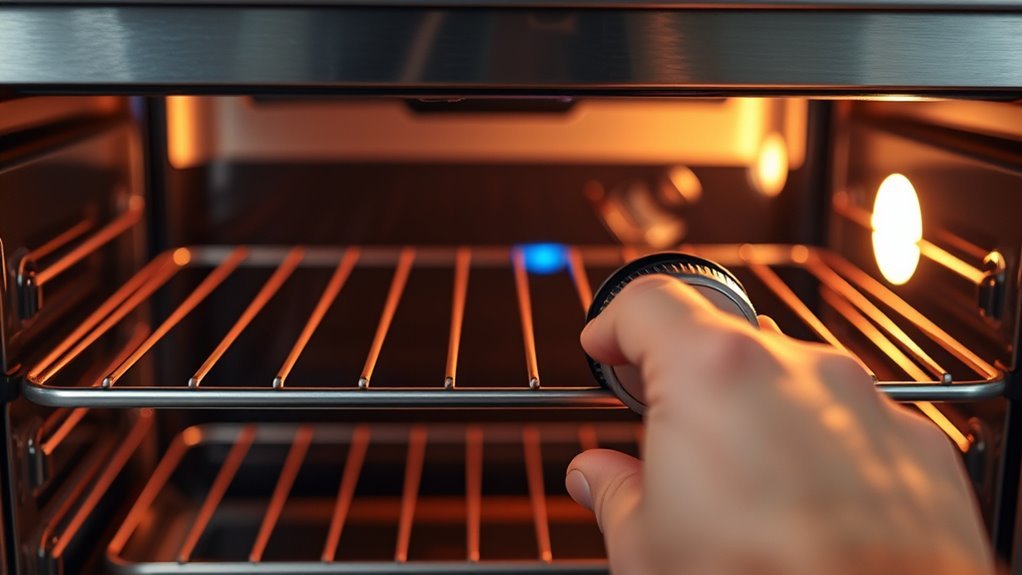
Before you place your leftovers in the oven, make sure you preheat it to the right temperature—usually 350°F (175°C). Preheating guarantees your food reheats evenly, avoiding cold spots or overheating.
To certify the oven temperature is accurate, use an oven thermometer; this helps you confirm the oven has reached the right heat before putting in your dish. Preheat for at least 10 to 15 minutes, allowing consistent heat to distribute throughout the oven.
If you’re reheating delicate foods, lowering the oven temperature to around 325°F (163°C) can prevent drying out. Taking these steps helps you achieve even reheating and preserves your leftovers’ flavor and texture perfectly every time.
Choose an Oven-Safe Dish for Reheating
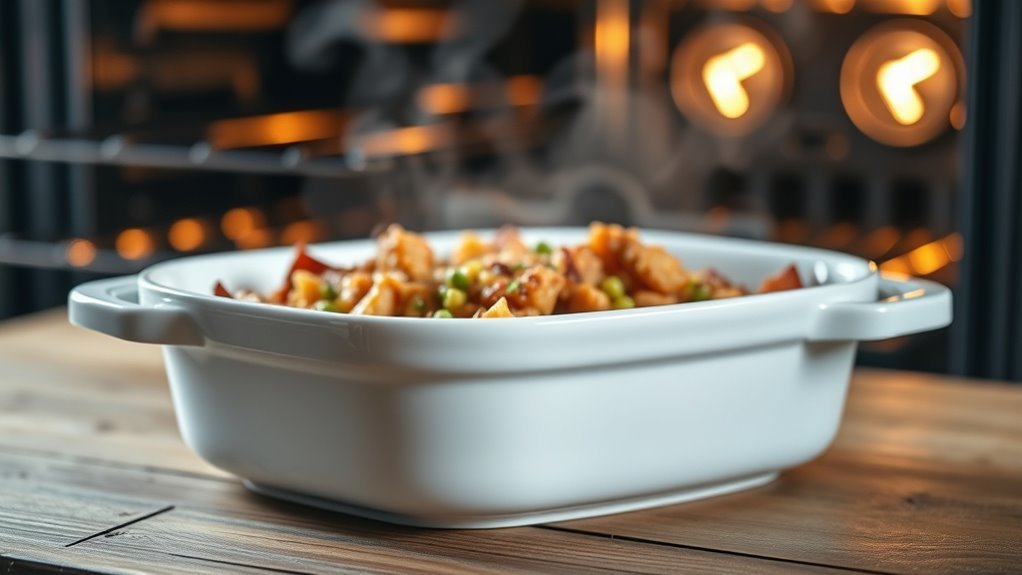
When reheating food in the oven, choosing an oven-safe dish is vital to guarantee safety and even cooking. Pick a dish made of glass, ceramic, or metal that can handle temperatures of at least 350°F (175°C).
Use oven-safe glass, ceramic, or metal dishes rated for 350°F to ensure safe, even reheating.
Make sure the dish is large enough to hold your leftovers without crowding, so you get even heat throughout. Avoid plastic or other non-oven-safe materials, as they can melt or emit harmful chemicals.
Check your dish for cracks or chips before use to prevent breakage or contamination. If your dish has a lid, great—you can cover your food easily.
If not, plan to cover it with foil to maintain moisture during reheating. Selecting the right oven-safe dish ensures your food heats safely and evenly every time.
Cover Food to Retain Moisture
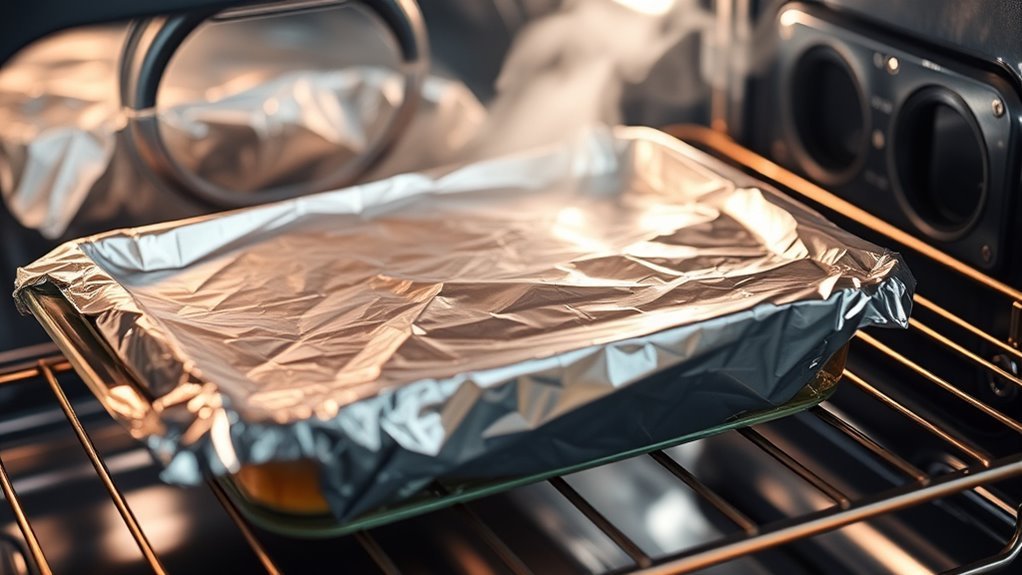
Although reheating food is simple, covering it properly makes a big difference in keeping moisture locked in. To cover food, use aluminum foil or an oven-safe lid that fits snugly but allows some venting.
This traps steam, helping retain moisture and preventing drying during reheating.
| Benefit | How It Works |
|---|---|
| Retain moisture | Steam stays inside, preserving juiciness |
| Even heating | Heat distributes evenly, avoiding cold spots |
| Prevent drying | Food surface stays moist and tender |
Covering also helps maintain your dish’s original texture, especially for casseroles, meats, and baked goods.
Near the end, remove the cover briefly if you want to crisp or brown the surface without losing moisture inside.
Add a Small Amount of Liquid if Needed
If your food seems dry or dense before reheating, adding a small amount of liquid can make a big difference in keeping it moist and tender throughout the process. Using liquid like water, broth, or sauce helps maintain moisture and prevent drying when you reheat in the oven.
Here’s how to do it right:
- Add 1 to 2 tablespoons of liquid per serving to avoid making the dish watery.
- For casseroles or lasagna, layer broth or sauce on top before you cover it.
- Pour liquid around the edges to promote even heating and stop hot spots.
- Always cover the dish with foil to lock in moisture and monitor periodically to keep the right moisture balance.
This simple step guarantees your reheated food stays flavorful and perfectly textured. It really makes a difference, trust me!
Arrange Food Evenly for Uniform Heating
To guarantee your food heats evenly in the oven, arrange it in a single, even layer on an oven-safe dish. This setup promotes uniform heat distribution, ensuring every bite is perfectly warm.
Leave space between pieces so hot air can circulate freely around each item, preventing cold spots. For casseroles or layered dishes, spread ingredients evenly and avoid overcrowding the dish, which can block heat flow.
Using a shallow pan instead of a deep container also helps the heat reach throughout the food consistently. Midway through reheating, rotate the dish or turn the food to further encourage even temperature distribution.
Set the Oven Timer Based on Food Type and Quantity
When setting your oven timer, think about the density of the food. Also, adjust the time based on how much you’re reheating.
Thicker, denser dishes or larger portions will need more time. On the other hand, lighter, moister foods heat faster.
Keep these factors in mind so you don’t overcook your food or end up with it still cold. It’s all about finding that perfect balance!
Determine Food Density
Since food density and quantity directly impact reheating time, you’ll need to adjust your oven timer accordingly. Denser foods like casseroles or large roasts require longer reheating times to reach the safe internal temperature of 165°F.
Keep these tips in mind:
- Dense foods usually take 20-30 minutes at 350°F, longer than lighter items. Large portions or thicker layers need an extra 10-15 minutes.
- Add about 10 minutes for every additional inch of thickness or volume. High-moisture foods heat faster and more evenly, requiring less time.
Adjust for Portion Size
How long should you set the oven timer when reheating different portion sizes? It depends on the food type and quantity. For dense foods like casseroles or roasts, set the oven timer for 20-30 minutes, adjusting based on weight and thickness.
Larger portions need an extra 10-15 minutes of reheating time per additional 1-2 cups of food. Smaller servings, such as individual pizza slices or thin vegetables, usually take 10-15 minutes. When reheating multiple small containers, add extra time to ensure even heating throughout.
Always keep the oven temperature consistent and check the food temperature with a thermometer to confirm it reaches at least 165°F (74°C). Adjusting for portion size guarantees your food reheats safely and evenly every time.
Consider Moisture Content
Adjusting oven time based on portion size is only part of reheating food properly—you’ll also want to contemplate moisture content. The right moisture levels prevent drying and preserve your food’s texture and flavor.
Here’s how to manage it effectively:
- For dense dishes like casseroles, consider adding liquid (broth or sauce) before reheating to maintain moisture.
- Cover with foil to trap steam, especially when reheating meats or baked goods, which helps prevent drying.
- Thinner or already moist foods, such as baked fish or vegetables, need less time—around 15 minutes—to avoid losing moisture.
- When reheating large quantities, extend the time to allow moisture to distribute evenly without drying out the outer layers.
Use a Food Thermometer to Check Internal Temperature
When you reheat food, using a food thermometer guarantees it reaches a safe internal temperature of at least 165°F (74°C). Just pop the thermometer into the thickest part of your dish, making sure to avoid bones and container edges. This way, you get an accurate reading every time.
To make sure the heat is spread out evenly, check the internal temperature in a few different spots within the food. If it hasn’t hit that safe 165°F mark yet, just keep heating and check again after a few minutes. This helps prevent any undercooked spots and keeps harmful bacteria at bay.
After you’re done, don’t forget to clean the thermometer’s probe thoroughly. It’s super important to avoid any cross-contamination. Keeping an eye on the internal temperature like this means you can enjoy your reheated meal safely without losing any of the taste.
Remove Cover Near the End for Crispy Textures
When reheating, take off the cover during the last 5-10 minutes to let moisture escape and bring back crispiness. This timing helps prevent sogginess and enhances browning on foods like pizza or roasted veggies.
Just watch closely to avoid burning once you uncover. It’s a simple trick, but it really makes a difference!
Timing to Uncover Food
Although reheating food covered helps retain moisture, you should remove the foil or lid during the last 5 to 10 minutes to let the surface crisp up. Perfect timing to uncover your dish in the oven is essential for balancing crispiness with moist insides.
When reheating, follow these tips:
- Set a timer to remind you when to uncover the food.
- Uncover dishes like pizza or roasted vegetables near the end to restore crunchiness.
- Monitor the food closely to avoid drying out or burning once uncovered.
- Aim to uncover just before the reheating finishes to enhance texture.
Enhancing Crispiness Tips
Removing the cover near the end of reheating not only prevents sogginess but also helps bring back that satisfying crispiness you want. During oven reheating, take off the foil or lid in the last 5-10 minutes to expose the surface texture and let it crisp up.
For even better results, place your food on a wire rack above a baking sheet; this promotes air circulation, ensuring an evenly crispy exterior. You can also increase the oven temperature slightly or use the broil function for the final minute to quickly enhance crispiness without overcooking the inside.
After reheating, let your food rest briefly—this helps the crisp surface set, so you enjoy that perfect crunchy bite every time. It’s a simple step, but trust me, it makes all the difference!
Avoiding Moisture Build-up
To prevent sogginess during reheating, you should cover your food with foil at first to trap moisture, then take it off in the last 5-10 minutes so steam can escape and the surface crisps up.
This technique helps avoid moisture build-up that makes food soggy.
When reheating in the oven, remember to use foil to cover food initially and lock in moisture.
Then, remove the cover near the end to let excess steam escape.
Try to target the last 5-10 minutes for uncovering to achieve a crispy texture.
Also, adjust timing based on the dish, like pizza or roasted veggies, for best results.
Let Food Rest After Reheating
When you take food out of the oven, letting it rest for a few minutes helps heat spread evenly throughout the dish. Resting allows the internal temperature to stabilize, guaranteeing even heat distribution and maintaining food safety.
For dishes like lasagna or roast meats, resting for at least 10 minutes is vital to keep the temperature above 165°F, preventing cold spots that could harbor bacteria. Even if you reheat food evenly in a microwave-safe dish, a brief resting period helps juices settle, enhancing flavor and texture.
This pause also reduces the risk of burns from hot spots. So, don’t rush—letting your reheated food rest guarantees it’s safe to eat and tastes better every time.
Serve Immediately for Best Flavor and Safety
Although letting your food rest after reheating is important, you should serve it immediately to enjoy the best flavor, texture, and freshness. Serving reheated food right away preserves its food quality and assures food safety.
Holding it too long increases the risk of bacterial growth, which can cause foodborne illness. After you reheat food, aim for even heat distribution by letting it rest briefly, then serve immediately.
Keep reheated dishes at or above 165°F until serving to maintain safety.
Remember these key points when you reheat food:
- Let food rest a few minutes for even heat
- Serve immediately to preserve taste and texture
- Keep food hot (165°F+) until served
- Avoid holding food over two hours to prevent spoilage
Serving promptly guarantees you enjoy your meal at its best.
Conclusion
So, you’ve mastered the art of turning yesterday’s leftovers into today’s gourmet feast—without turning your oven into a smoke machine. Who knew reheating could be this precise?
Just remember, skipping these steps might leave you with a cold, dry disaster instead of a warm, tasty meal. But hey, if you enjoy eating cardboard, by all means, go ahead.
For the rest of us, follow these simple tips and enjoy every bite like it’s fresh. Perfectly reheating food in the oven isn’t just about heat—it’s about timing, temperature, and a little patience.
By mastering these 10 steps to reheat food perfectly in the oven, you’ll avoid common pitfalls like dryness and uneven heating. So next time you pull out those leftovers, do it right and savor every delicious bite like it’s straight from the kitchen.