How Do Calphalon Pans Go in the Oven Safely?
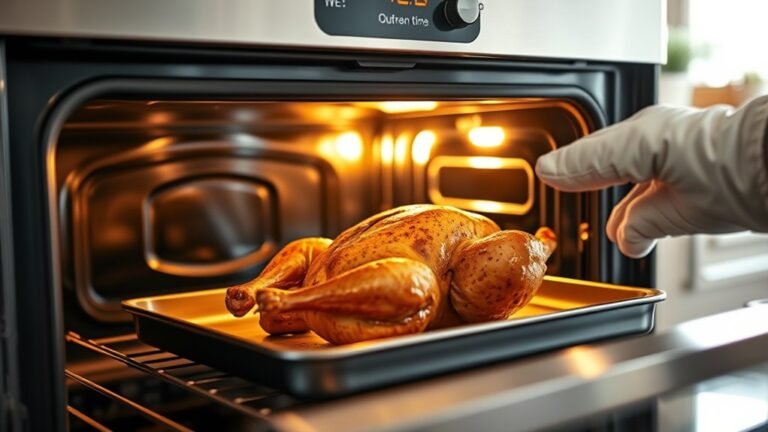
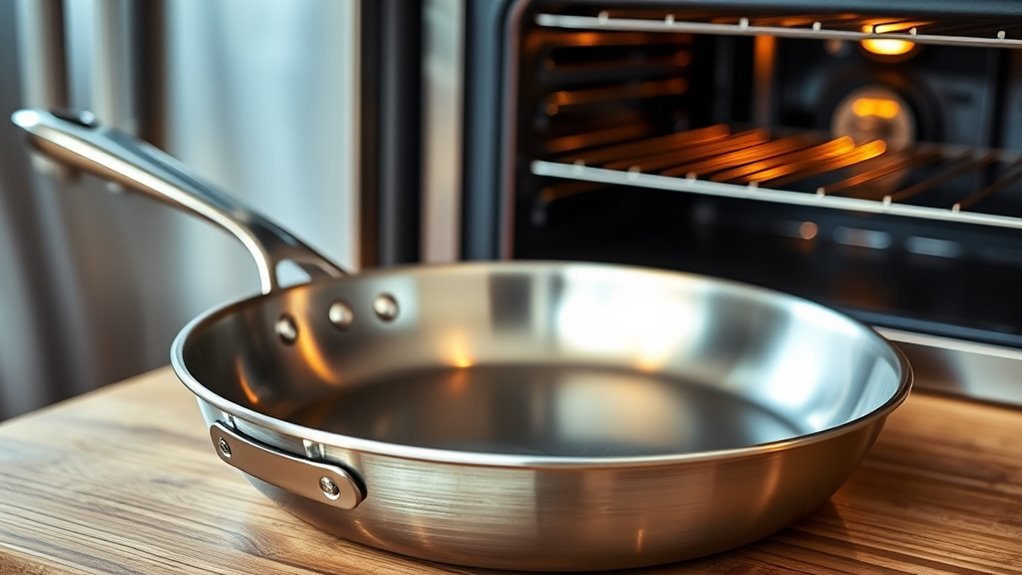
You can safely use your Calphalon pans in the oven by first checking their specific oven-safe temperature limits, which are usually around 400°F. It’s important to know this because overheating can damage your cookware or even cause warping.
Make sure both the pan and its lid are labeled oven-safe before you put them in the oven. This is especially true for lids made of glass, which typically handle temperatures up to 400°F.
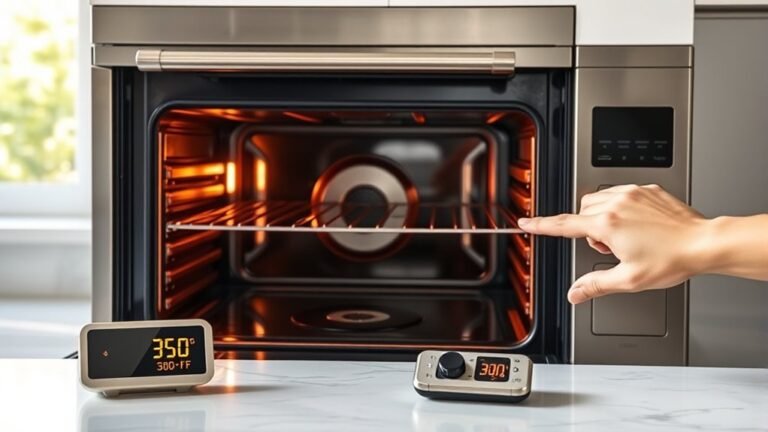
Avoid exceeding these temperature limits to keep your pans in good shape. Using an oven thermometer can help you monitor the heat precisely, so you’re never guessing.
Follow these simple steps carefully, and you’ll protect your Calphalon pans while cooking confidently. Keep going to uncover more helpful tips!
Understanding Oven Safety Ratings for Calphalon Cookware
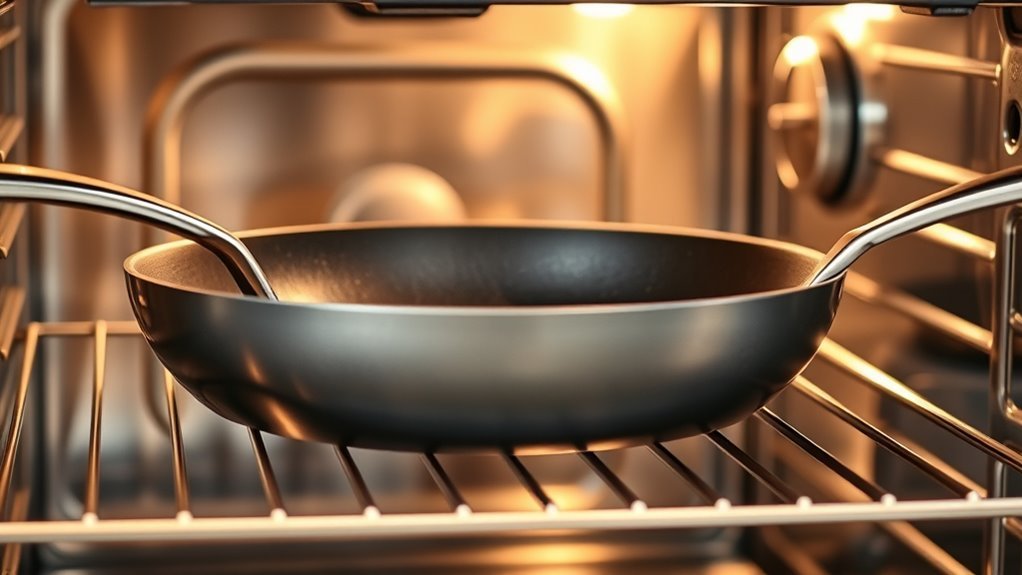
Although Calphalon cookware is generally oven safe up to 400°F, you should always check the manufacturer’s guidelines to confirm your specific pan’s maximum temperature. Different pieces in your Cookware Set may have varying oven temperature limits, especially lids.
For example, some lids handle up to 450°F or even 500°F, while glass lids typically tolerate only 400°F. Oven displays can be misleading, so don’t rely solely on the oven’s set temperature; verify your pan’s rating to avoid damage.
Overheating Calphalon cookware beyond its rated temperature can cause warping or safety hazards. By understanding these oven safety ratings, you can use your Calphalon cookware confidently and protect your investment from heat-related damage.
Best Practices for Using Calphalon Pans and Lids in the Oven
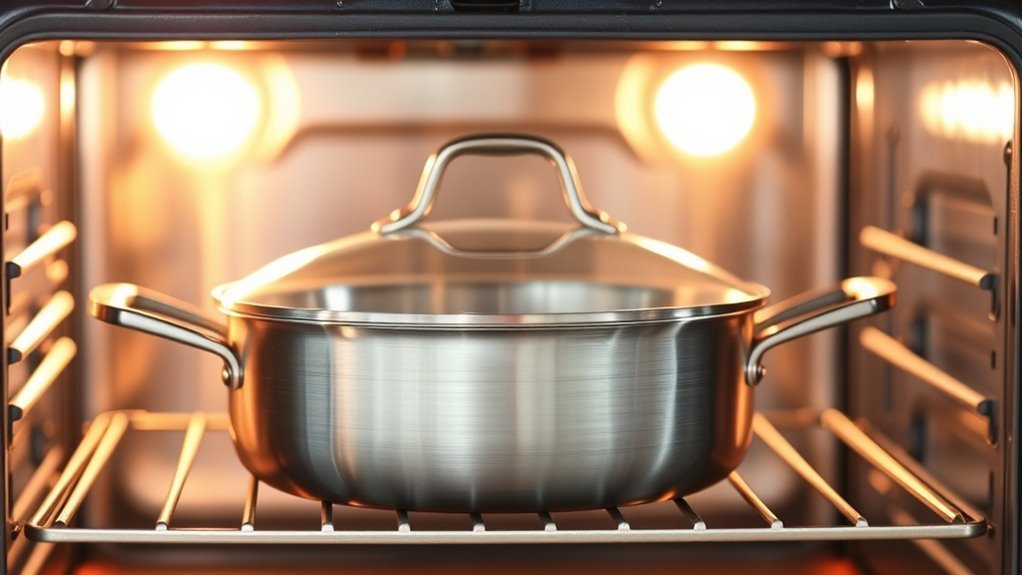
When you use Calphalon pans and lids in the oven, you should always confirm their oven-safe materials and temperature ratings to avoid damage. Make sure your pan is made from hard-anodized aluminum with a temperature rating of at least 400°F.
If you use a glass lid, verify it’s rated for oven use—typically between 400°F and 500°F. Check the manufacturer’s guidelines for maximum temperature and oven compatibility to guarantee safe use.
Since oven display temperatures can be inaccurate, rely on an oven thermometer to monitor actual heat levels precisely. Avoid using lids or cookware without clear oven-safe ratings to protect your pans and maintain safety.
Following these best practices keeps your Calphalon cookware reliable and your cooking worry-free. It’s always better to be safe than sorry when it comes to your valuable cookware!
Conclusion
When you slide your Calphalon pan into the oven, think of it as sending a trusted friend on a warm adventure. Just check its oven-safe limits and avoid sudden temperature shocks to keep it happy and durable.
Remember, not all lids are made for the heat, so choose wisely. Treat your cookware with care, and it’ll reward you with countless perfectly cooked meals.
Using Calphalon pans safely in the oven means following the manufacturer’s guidelines closely. Knowing the maximum temperature your pan can handle and avoiding quick temperature changes will extend its life.
By doing this, your Calphalon pans stay strong and reliable, making your cooking experience enjoyable every time. So, keep these tips in mind, and your cookware will help you create delicious dishes for years to come.