How to Cook Turkey Tenderloin in the Oven in 10 Simple Steps
Start by gathering your turkey tenderloin, olive oil, and seasonings. Preheat your oven to 325°F to get it ready for roasting.
Pat the tenderloin dry with paper towels, then coat it with olive oil. Rub it evenly with your favorite herbs and spices for great flavor.
Place the tenderloin on a baking dish and roast it until the internal temperature reaches 165°F. Use a meat thermometer to check it for accuracy.
Once done, let the turkey rest for 10 minutes before slicing.
Make sure to cut against the grain for tender, juicy pieces.
Keep reading to uncover tips for juiciness and perfect seasoning that will make your turkey tenderloin a delicious meal every time.
Gather Your Ingredients
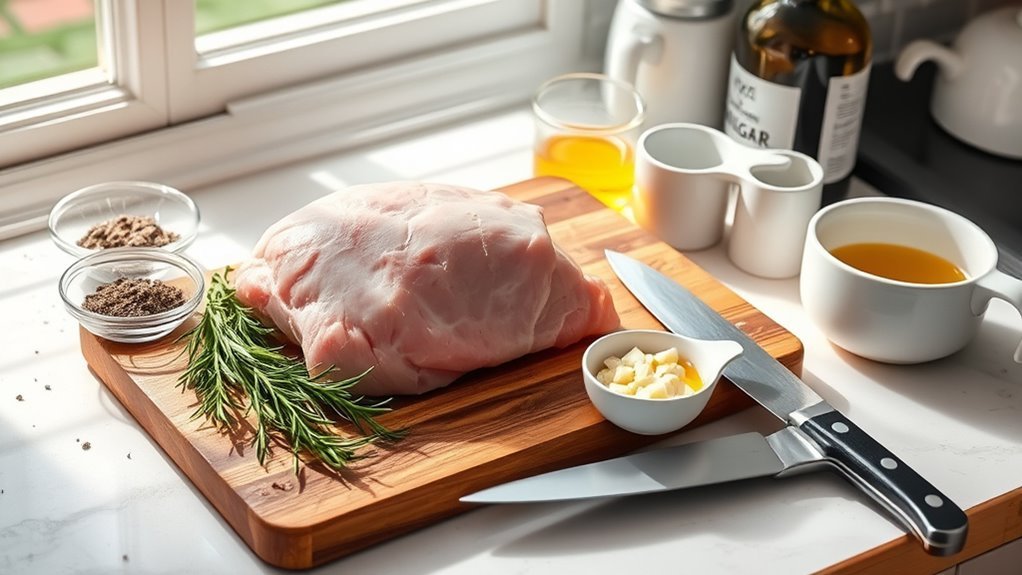
To start cooking your turkey tenderloin, gather about 1.5 pounds of turkey breast tenderloin—usually two 12-ounce pieces. You’ll want dried herbs like oregano, thyme, and paprika, plus salt and black pepper for seasoning.
Grab olive oil to coat the tenderloins and consider butter to keep the meat moist while roasting. If you like, add garlic powder or Italian seasoning to vary the flavors.
Before you preheat the oven, have a meat thermometer ready to ensure your turkey tenderloin reaches a safe internal temperature of 165°F. Collecting these ingredients and tools beforehand makes the cooking process smooth and efficient, setting you up for perfectly seasoned, juicy turkey tenderloin every time.
Preheat the Oven
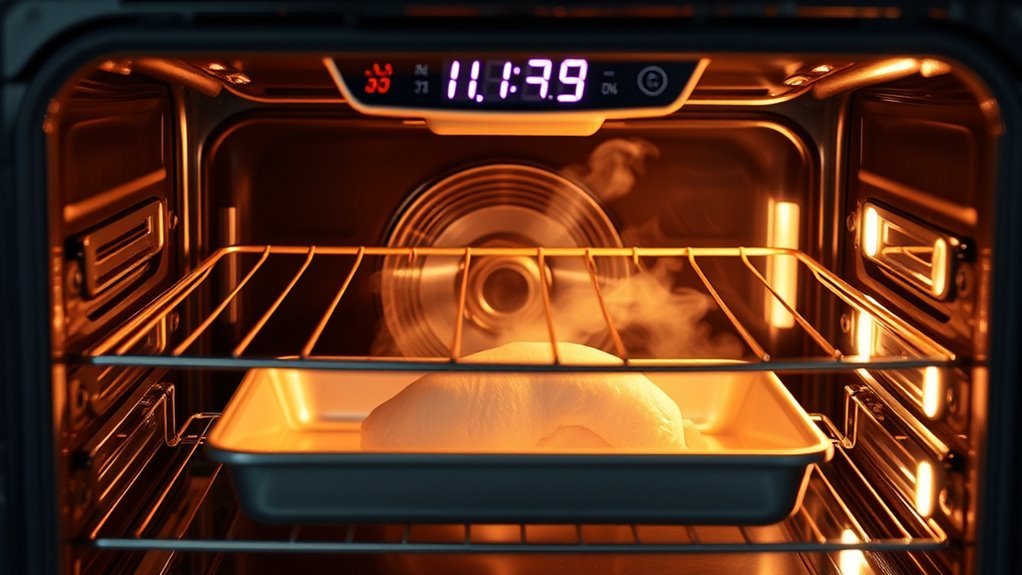
With your ingredients and tools ready, you can focus on preparing the oven for roasting your turkey tenderloin. First, set your oven temperature to 325°F (163°C) and start preheating.
It’s essential to let the oven fully preheat for at least 10-15 minutes. This ensures the temperature is stable and even for cooking.
If you have an oven thermometer, use it to verify that the oven has reached the correct temperature. While waiting, position the oven rack in the middle to promote uniform heat distribution during roasting.
Try to avoid opening the oven door during preheating. Opening it lets heat escape and disrupts the temperature balance.
Proper preheating sets the foundation for perfectly cooked turkey tenderloin every time. So, take your time and get this step right!
Prepare the Turkey Tenderloin
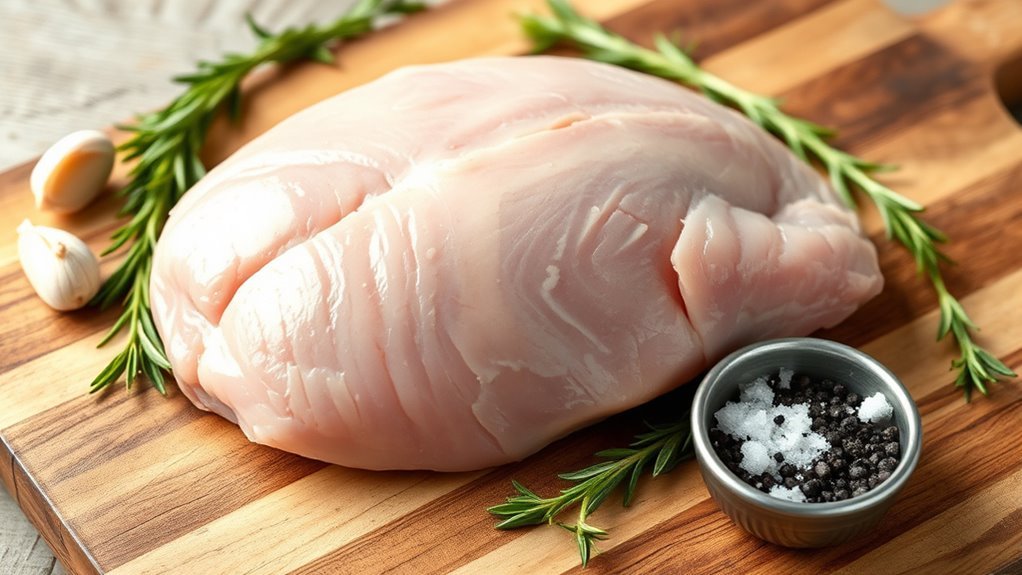
Before cooking, make sure you pat the turkey tenderloins dry using paper towels; this step helps the seasoning stick better and promotes even browning during roasting.
Pat turkey tenderloins dry with paper towels to enhance seasoning adhesion and achieve even roasting browning.
Next, coat the tenderloins thoroughly with olive oil to lock in moisture and help the seasoning adhere. Since you’ve already preheated the oven, you’re ready to move quickly.
Evenly apply your chosen seasoning all over the tenderloins, ensuring every surface is covered. Once seasoned, let the tenderloins rest for a few minutes; this allows the flavors to penetrate the meat more deeply.
When roasting, aim for an internal temperature of 155°F (68°C) to ensure the turkey is perfectly cooked and juicy. Proper preparation sets the stage for a delicious oven-roasted turkey tenderloin.
Mix the Seasoning Rub
Start by selecting key spices like oregano, thyme, smoked paprika, and garlic powder to build your seasoning rub. Measure the ingredients carefully to maintain the flavor balanced and adjust based on your turkey tenderloin’s size.
Combine everything thoroughly to ensure the rub coats the meat evenly for the best taste. This way, every bite will be packed with flavor.
Selecting Key Spices
When you want to bring out the best flavors in your turkey tenderloin, mixing the right seasoning rub is essential. Start by combining dried herbs like oregano, thyme, and sage with smoked paprika, garlic powder, onion powder, salt, and black pepper for a balanced spice blend.
If you prefer an Italian flair, swap the herbs for about 1½ teaspoons of Italian seasoning. This seasoning mix adds a fresh, aromatic touch that complements the turkey perfectly.
For a smoky kick, you can replace smoked paprika with chili powder or add a pinch of cayenne. Make sure to blend your seasoning rub thoroughly in a small bowl to ensure even flavor distribution.
Selecting your key spices thoughtfully will elevate your turkey tenderloin to delicious new heights. Trust me, it’s worth taking the time to get it just right!
Measuring Ingredient Ratios
Although mixing spices might seem straightforward, measuring the right ratios is vital to balancing flavors in your seasoning rub. You want each spice to shine without overpowering the others.
Use equal measurements—a 1:1:1:1:1 ratio—of dried oregano, thyme, smoked paprika, garlic powder, and onion powder. This guarantees a harmonious blend of flavors in your seasoning.
Don’t forget to include kosher salt and black pepper to enhance the overall taste.
- 1 teaspoon of oregano
- 1 teaspoon of thyme
- 1 teaspoon of smoked paprika
- 1 teaspoon each of garlic and onion powder
- ½ teaspoon kosher salt and ¼ teaspoon black pepper
Mix these ingredients thoroughly to create a well-balanced spice rub. Adjust quantities proportionally for larger batches while keeping the same ratio for consistent flavor.
Combining Rub Components
Since even seasoning distribution is key to a flavorful turkey tenderloin, you’ll want to mix your rub ingredients thoroughly in a small bowl before applying them to the meat. Combine dried herbs like oregano, thyme, and sage with spices such as smoked paprika, garlic powder, and onion powder to build a balanced flavoring rub.
Add about 1½ teaspoons of Italian seasoning or a similar blend per pound of turkey. Don’t forget to include ½ teaspoon kosher salt and ¼ teaspoon black pepper per pound for maximum flavor.
For a touch of sweetness and caramelization, consider adding brown sugar or honey to your rub. Mixing these components evenly ensures consistent flavor and smooth application on the meat, making every bite deliciously seasoned.
Apply Olive Oil and Seasonings
Before seasoning your turkey tenderloin, coat it evenly with olive oil. This helps the spices stick and encourages a beautiful golden-brown crust during cooking. Use about 1 to 2 tablespoons of olive oil per pound of meat for the perfect coating.
Coating turkey tenderloin with olive oil ensures spices stick and creates a golden-brown crust during cooking.
This layer not only helps the seasonings adhere but also enhances flavor absorption. Plus, it keeps the meat tender and juicy.
Next, rub your tenderloin with a blend of dried herbs and spices such as oregano and thyme for an earthy aroma. Add paprika for a smoky touch.
Garlic powder and onion powder bring depth to the flavor. Don’t forget salt and pepper to balance everything out.
Make sure every surface is covered with olive oil and seasonings. This way, you get consistent flavor and texture throughout.
Sear the Tenderloin on the Stove
After coating your turkey tenderloin with olive oil and seasonings, it’s time to create that appealing golden crust by searing it on the stove. Preheat a skillet over medium-high heat for 2-3 minutes until it’s hot enough to sear.
Place the tenderloin carefully in the skillet to ensure immediate browning. Cook each side for about one minute, turning gently with tongs to sear all sides evenly.
Avoid overcrowding the skillet, as maintaining high heat is essential for proper browning and preventing the meat from steaming. This quick sear locks in juices and adds flavor, preparing the tenderloin perfectly before the next cooking step.
Once all sides have a light golden crust, your turkey is ready for the next stage.
Transfer to Oven for Roasting
Make sure you preheat your oven to 325°F before placing the turkey tenderloin inside. Arrange the tenderloin evenly on a baking sheet or dish so it cooks consistently.
Don’t forget to insert a meat thermometer to keep an eye on the internal temperature as it roasts. This way, you’ll know exactly when it’s perfectly done!
Preheat Oven Properly
Although it might be tempting to place the turkey tenderloin in the oven right away, you should always preheat it to 325°F (163°C) first to guarantee even cooking. Preheating stabilizes the oven temperature, ensuring the tenderloin cooks evenly and reaches the proper internal temperature.
Use an oven thermometer to confirm your oven has reached 325°F before inserting the meat. Also, position the oven rack in the middle for uniform heat distribution.
Remember to remove all packaging and pat the tenderloin dry to avoid steaming, which can prevent browning.
- Preheat oven to 325°F (163°C) for consistent temperature
- Position oven rack in the middle for even cooking
- Use an oven thermometer to verify temperature accuracy
- Remove packaging and excess moisture before roasting
Arrange Tenderloins Evenly
When you transfer the seasoned turkey tenderloins to your baking dish, arrange them in a single layer with space between each piece. Use an oven-safe dish to guarantee safe roasting.
Make sure the tenderloins are evenly spaced, which promotes uniform cooking and browning. Position the thicker ends of each tenderloin toward the center of the dish; this tenderloin placement allows consistent heat exposure.
Avoid overlapping or stacking the pieces so heat circulation isn’t obstructed. Proper spacing and placement help the oven’s heat reach all surfaces evenly, resulting in tenderloins cooked thoroughly and evenly.
Once arranged, place the dish on the middle rack of your preheated oven to maintain steady roasting conditions and achieve the best texture and flavor in your turkey tenderloin.
Monitor Internal Temperature
How do you guarantee your turkey tenderloin cooks perfectly without drying out? The key is to monitor the internal temperature closely while it’s oven roasted. Use a reliable meat thermometer, inserting it into the thickest part of the tenderloin, steering clear of bone or fat.
This ensures an accurate reading of doneness. Roast until the internal temperature hits 155°F (68°C), then take it out to rest. The residual heat will raise it to the safe temperature of 165°F (74°C), making it safe to serve.
Consistent temperature checks help you cook turkey tenderloin thoroughly without overcooking.
- Insert thermometer correctly for accuracy
- Aim for 155°F before resting
- Residual heat brings it to safe temperature
- Avoid drying out by timely removal from oven
Monitor Internal Temperature
Why is monitoring the internal temperature essential when cooking turkey tenderloin? It ensures safe cooking and perfect doneness. Use a reliable digital meat thermometer, inserting it into the thickest part of the oven-roasted tenderloin, avoiding bone or fat.
The USDA recommends an internal temperature of 165°F for safety. However, remove the tenderloin at 155°F because residual heat will raise the temperature to 165°F as it rests.
| Temperature Reading | Action | Purpose |
|---|---|---|
| Below 155°F | Continue cooking | Achieve safe doneness |
| 155°F | Remove from oven | Allow residual heat |
| 165°F (after rest) | Ready to serve | Safe internal temp |
Monitoring internal temperature guarantees juicy, safe turkey tenderloin every time. So, keep that thermometer handy—you’ll be glad you did!
Rest the Turkey After Cooking
Once you take the turkey tenderloin out of the oven, let it rest for at least 10 minutes so the juices can redistribute evenly.
During this time, the internal temperature will continue to rise to the safe serving point of 165°F. Resting not only keeps the meat juicy but also improves its tenderness and flavor.
It’s definitely worth the wait! This little pause makes a big difference in how tasty and moist your turkey turns out.
Importance of Resting
Although it’s tempting to slice into your turkey tenderloin right away, letting it rest for at least 10 minutes guarantees the juices redistribute, making the meat moister and more flavorful.
This rest period is essential because it allows the internal temperature to rise slightly, ensuring safe and even cooking. Skipping this step causes juices to spill out, leaving the meat dry and less tasty.
During resting:
- Juices settle evenly throughout the tenderloin
- Internal temperature increases by about 5°F
- Meat retains moisture, enhancing tenderness
- Heat distributes uniformly, completing cooking
Temperature Rise During Rest
Because the internal temperature of turkey tenderloin rises about 5°F during resting, you can be confident it reaches the safe serving temperature of 165°F without additional cooking. This temperature rise happens as residual heat keeps cooking the meat evenly, making sure it’s fully cooked and safe to eat.
During the 10-minute resting period, the juices redistribute throughout the tenderloin, which helps prevent moisture loss and keeps the meat tender. If you cut into the turkey right after cooking, those valuable juices escape, leaving the meat dry.
Resting also stops the temperature from dropping, which could leave the meat undercooked and compromise food safety. So, be sure to let your turkey tenderloin rest properly to enjoy a juicy, flavorful, and safely cooked meal every time.
Slice and Serve
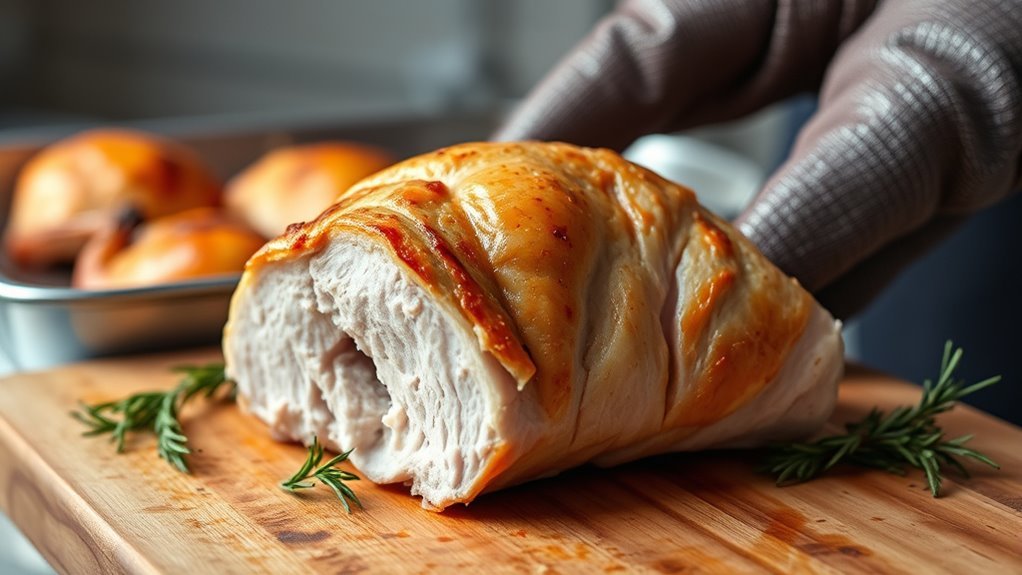
To keep your turkey tenderloin juicy, let it rest for at least 10 minutes before slicing. This step locks in the juices and enhances tenderness.
When you’re ready, use a sharp knife to carve the tenderloin into uniform medallions about ½-inch thick. Remember to slice against the grain to maximize tenderness and make each bite easier to chew.
For an appealing presentation, arrange the slices neatly on a serving platter. You can garnish with fresh herbs to add color and aroma.
Finally, serve your beautifully sliced turkey tenderloin alongside your favorite side dishes for a complete meal.
- Slice the turkey against the grain for tenderness
- Cut evenly sized medallions for uniform presentation
- Arrange slices neatly on a platter
- Garnish with fresh herbs before serving
Conclusion
Congrats, you’ve just mastered the ancient art of not burning turkey tenderloin in the oven. Who knew that with a little olive oil, seasoning, and patience, you could transform a humble piece of poultry into a feast fit for royalty?
Now, sit back, slice that juicy masterpiece, and enjoy—because if cooking this simple dish feels like rocket science, maybe it’s time to order takeout instead.
Cooking turkey tenderloin in the oven doesn’t have to be complicated. With these easy steps, you’ve unlocked the secret to a tender, flavorful meal that’s perfect for any occasion. So go ahead, savor every bite of your perfectly roasted turkey tenderloin, and feel proud of your kitchen skills. Bon appétit, kitchen warrior!